Mepe

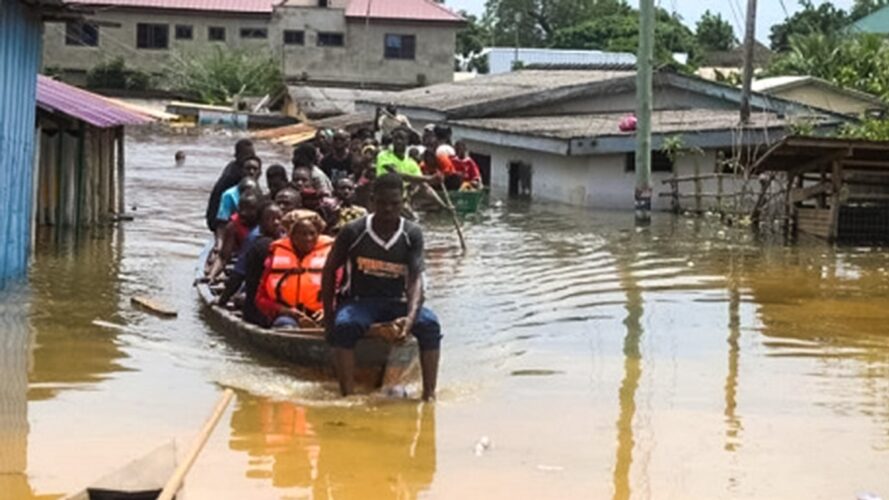
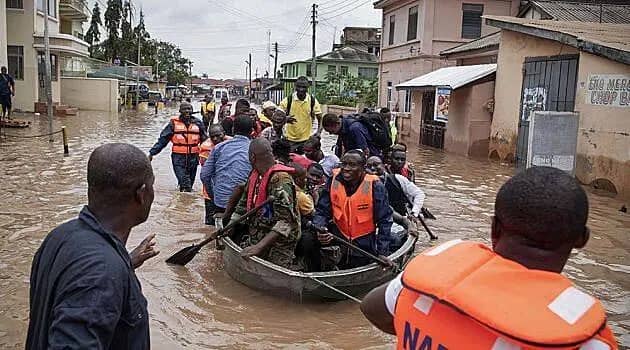
In October 2023, the community of Mepe on the banks of the Volta was hit by a severe, day-lasting flood.The Akosombo Dam Spillage Flood, as it came to be named, inundated most parts of the town. It affected built structures and adjacent areas alike and has left traces in the residents‘ minds. Public life came to a standstill, schools were closed down and high school institutions served as temporary havens for flood refugees. Health issues ensued, food and freshwater supply was critical. Help was organized from within the community, and despite the catastrophic dimension of the flood, there were no casualties.

The primary reason for the flood was the deliberate, unsatisfactorily communicated opening of spilling gates upstream of Mepe; abundant rainfalls had filled the reservoirs behind Akosombo and other dams to their brims.
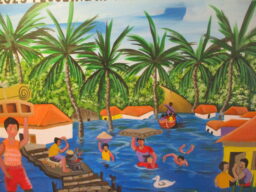
What happened? Course of the events

Eye-witnesses report what happened. How the Volta river floods Mepe with a vigour that none of them had seen before. How they tried saving their belonings, abandoned their houses, fought with the water masses. How they coped with the situation in the crucial hours.

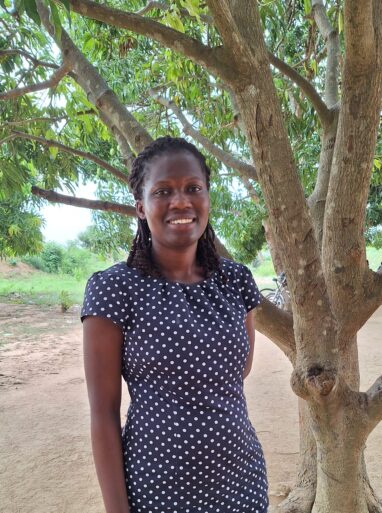
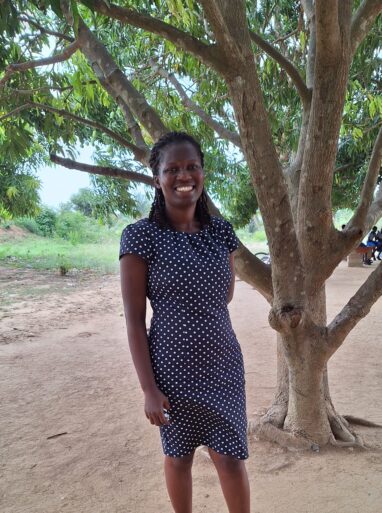
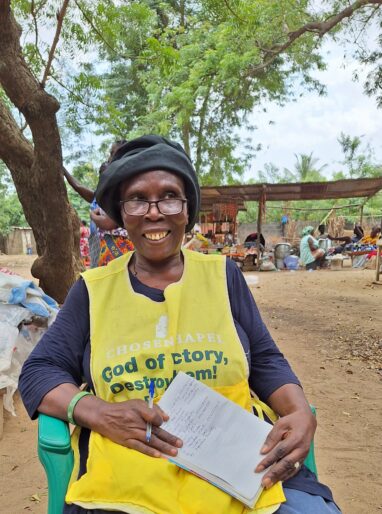
Mavis
Mavis_teacher 2
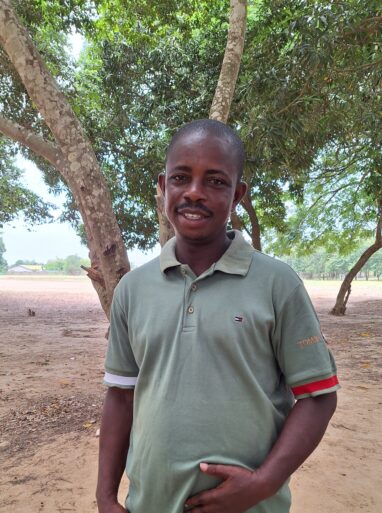
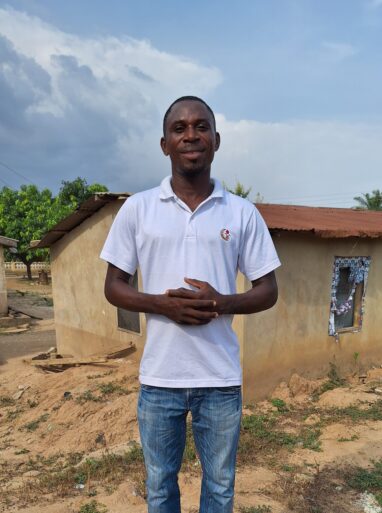
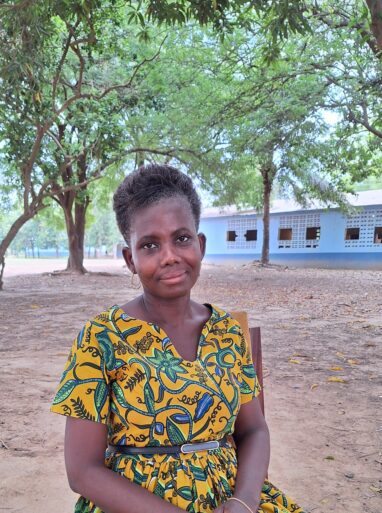
Michael
Michael_teacher 2
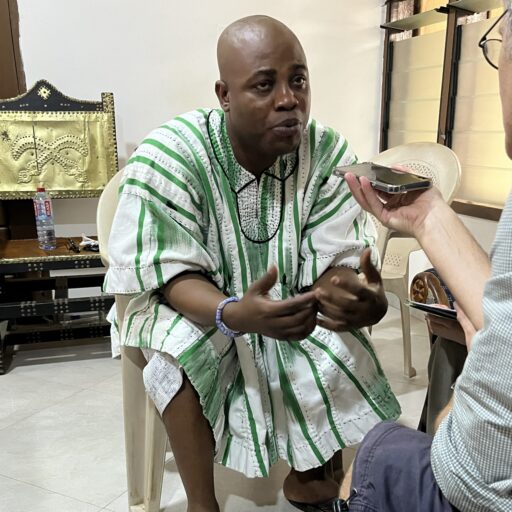
“It was a disaster that nobody was expecting.”
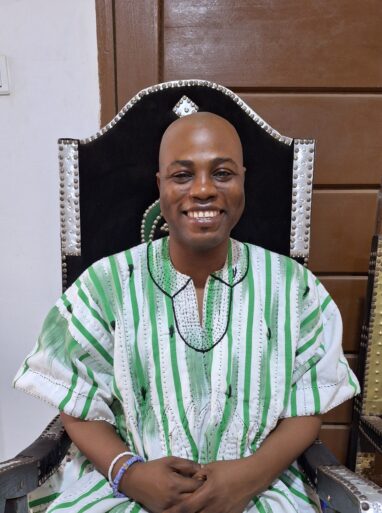
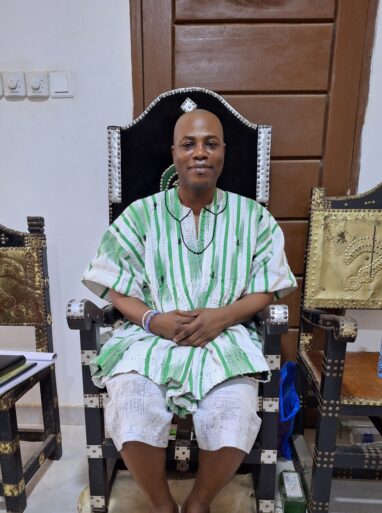
Torgbe Kosi Nego VI
IMG_4965.png
“We were not prepared for the flood.”
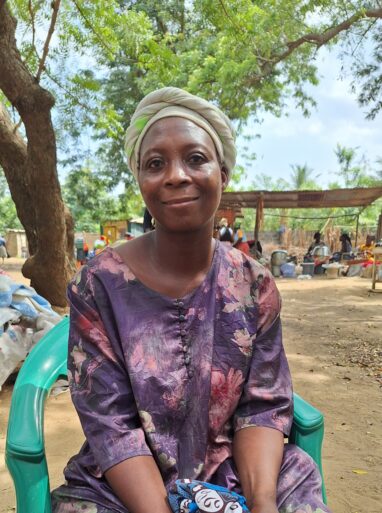
Juliana
20250311_134432-1
“The water just came. We were not expecting anything like that.”

Footage from the flood

This video provides a striking impression of the force of the flood. It shows how a house collapses under the pressure of the water masses while Amos describes what happened at the time. The images capture the moment of destruction and illustrate the scale of the event.

Interview with Amos

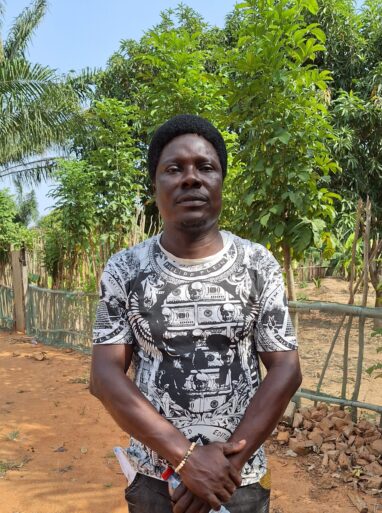
“It was the 11th of October, when it crossed the main road. We realized it crossing and just in 10 minutes it reaches here.

The altitude was very, very high to the standard, I was on a knee-level trying to save some of my properties.

When we realized, the buildings just started to come down. Even my friend was here to assist me, so that we could disconnect the powers, the electric power.”

-Amos

Holy Christ Students
School children 2_20250315
“When I went to school, they were saying that the spillage will come to the town but it won’t be that much.”
Torgbe Kosi Nego VI
Togbe 2
“We had a short notice that they had already opened the gates at Akosombo Dam… By the time we realized, it had already taken the town.”
James
James 3
“When the flood began, initially we thought it would just pass by. After an hour the electricity company came, removed all our meters, and told us to pack our belongings.”

“If you want to move from our school, Kizito, to the road side you have to join the boats. The same applies to the eastern side, that also got flooded, before you get to town, you have to join the boats, and the water surrounded the whole of this place.”

-Mavis

Mavis
Mavis_teacher 2
“We came back to open the school for those left homeless by the flood.”
James
James 3
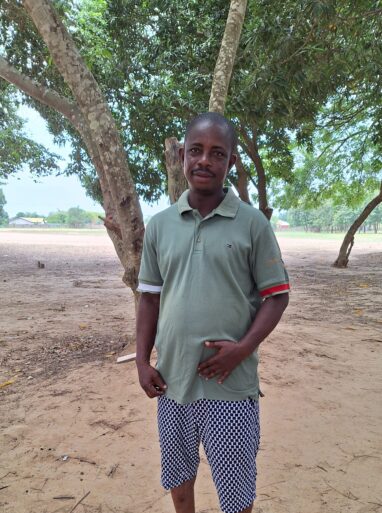
“The flood lasted for 18 days.”

After the flood: Impacts and affectedness

The aftermath of the flood began with an inspection of the damages and a counting of losses: houses had been uninhabitable for weeks, livelihoods were destroyed, health was affected, help reached the people, or it did not. Everyday life was no longer the same, it left deep traces in the built as well as in the individuals‘ and social structures.

Torgbe Kosi Nego VI
Togbe

Everyday life

Torgbe Kosi Nego VI
Togbe 2
“After the flood our schools were shut down for more than three months.”
Pearl
Pearl_teacher
Gloria
Gloria 2
“Now we must buy everything we used to produce ourselves.”

Livelihoods

Pearl
Pearl_teacher 2
“School reopened in December but attendance was poor; many pupils never returned.”
Pythias
Pythias Agbemur
“As a leader people look up to you; without work it’s very difficult.”
Juliana
Juliana 2
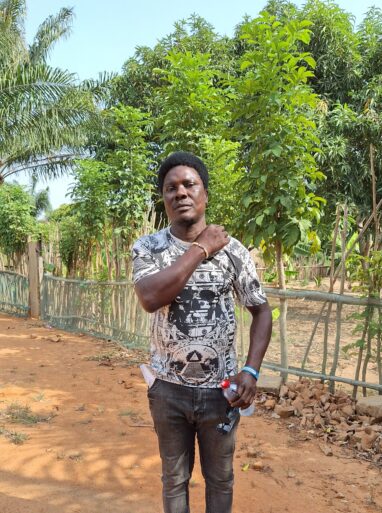
“Everything was flooded and muddy — we couldn’t sell for a month.”
Gloria
Gloria 2
“Our farms were destroyed; now we tie ropes to sell and buy food.”

Damages and destruction

Mavis
Mavis_teacher 2
“We’re still struggling with furniture and dining space issues.”
Torgbe Kosi Nego VI
Togbe 2

Health and well-being

Mavis
Mavis_teacher
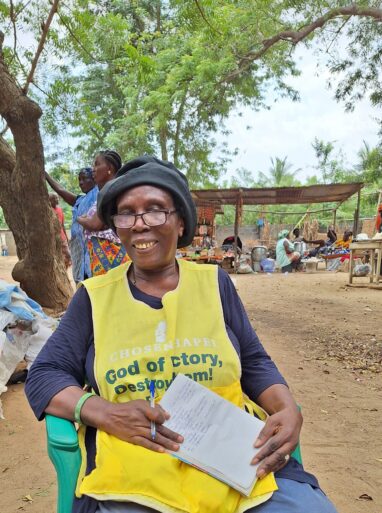
“We’re still lacking toilets; students defecate in the bushes, which is no good for our health.”
Holy Christ Students
School children 2_20250315
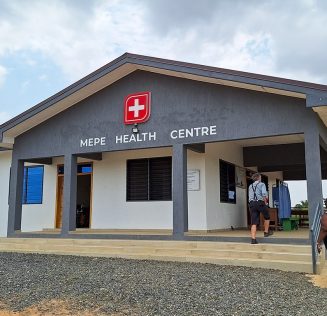
“They built us a new clinic.”
Torgbe Kosi Nego VI
Togbe
Michael
Michael_teacher 2
Torgbe Kosi Nego VI
Togbe 2
“People lost their money; paying for health care was difficult.”
James
James 3
“We were very upset and traumatized in every aspect.”

„Presently, we‘re struggling with toilet facility issues. We had always been hoping and appealing to NGOs and the government to come to our aid, beause when the students come to school now, it is always difficult. They defecate in the bushes around, which is no good for our health, and that can bring about any disease outbreak.“

-Mavis, Saint Kizito Senior Technical High School

18

How to deal? Coping and adaptation strategies

20250311_115545

The flood cannot be undone, but there are lessons to be learned.
Community members found ways to cope, and new forms of adaptation became essential.
Some coping strategies emerged during the disaster; others developed afterwards through improved disaster management and stronger flood protection measures.

Help and support

Torgbe Kosi Nego VI
Togbe
“I called GTV to cover the situation and bring attention to us.”
Holy Christ Students
School children 1_20250315
“We got help from UNICEF.”
Torgbe Kosi Nego VI
IMG_4965.png
Torgbe Kosi Nego VI
Togbe 2

Criticsm

Gloria
Gloria 2
“In the villages there was no communal support anymore.”
Torgbe Kosi Nego VI
Togbe
“Government and NADMO promised help - but they never delivered their promises.”
Gloria
Gloria
“We across the river got no support; aid went only to the town.”
Pearl
Pearl_teacher 2
“Government built houses; brick homes were destroyed, block ones survived.”
Amos
Ahorsu 3
“No government support — only private help from friends and relatives.”
Juliana
Juliana
“The government didn’t help; the president said we didn’t vote for him.”
Amos
Ahorsu
“This is a national disaster. We were expecting that the president tells us something that takes away a bit the psycological effects.”

Solidarity

Mavis
Mavis_teacher
Mavis
Mavis_teacher 2
“We turned classrooms into shelters; students sacrificed their space.”
Torgbe Kosi Nego VI
Togbe 2
“We borrowed boats to move people to safety.”
Mavis
Mavis_teacher
“Boatmen charged small tokens — it became a business.”
James
James 3
“You had to pay to cross the river by boat.”
Torgbe Kosi Nego VI
IMG_4965.png
“We spent four days with no sleep in the water helping our people out of danger. Moving them to a higher ground”
Torgbe Kosi Nego VI
Togbe 2
Juliana
Juliana 2
“We had help from friends and the Mepe Development Association. They brought us some food items like rice, corn and maize.”

Coping strategies / Sites of Memory

Mavis
Mavis_teacher
“Afterwards we reflected — students and teachers were all affected.”
Pearl
Pearl_teacher
"All of the children have experienced the same thing, so they have that kind of feeling and they were always talking about it. But they were always saying they wish it will not happen again. And that is our prayer“
Mavis
Mavis_teacher
Pearl
Pearl_teacher
“Pupils came without books, just talking about the flood.”
Mavis
Mavis_teacher
“We asked VRA to build a monument as a reminder.”
Pearl
Pearl_teacher 2
Torgbe Kosi Nego VI
Togbe
“After the flood we prayed to our ancestors to calm the river spirit.”
James
James 3
“I am very much interested in history. I always want to have my history at hand. I marked the flood level on my wall to keep the memory.”
Torgbe Kosi Nego VI
IMG_4965.png

Why, and where to? Disaster reasons and reasoning

Looking ahead means looking back in order to identify the causes for what the community had to endure. While the flood seemed to be a natural phenomenon, the reasons for the catastrophe were also man-made: human failure and unpreparedness are co-responsible for the disaster‘s dimension. Naming the reasons for the flood strongly depends on the witnesses‘ inidividual perpective.

Looking ahead includes a thorough and honest analysis – was it just ‚nature‘, and what role does climate change play? How man-made is climate change?. It comprises the formulation of what must be done to prevent, or at least mitigate, similar events in the future.

Reason finding

Mavis
Mavis_teacher 2
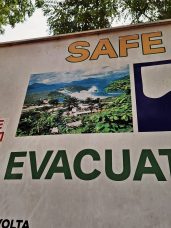
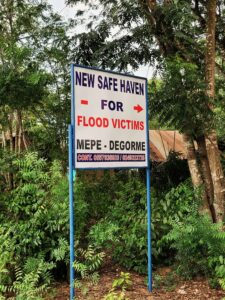
“When you entered the campus, you saw a billboard indicating safe haven: when, in the case of disaster, this is the only safe place. So there are simulations, quite one or two of them, but we didn‘t know ...
– Who had them put there?”
Mavis
Mavis_teacher
“I could not be in the position to talk about that, but just hearsay: the level of the water was rising, there was much rains from Bagre Dam, the water level at Akosombo and then Akuse was rising and opened the gates by itself because it went beyond its level, and then that brought us into that devastating situation.”
Pearl
Pearl_teacher 2
Michael
Michael_teacher
“It was human error — the dam managers knew the levels but opened too late.”

Climate catastrophe

Torgbe Kosi Nego VI
Togbe 2
“The flood didn’t prepare us — with the climate crisis, anything can happen.”
Amos
IMG_4942
“We’re in a climate change era — we must grow more trees.”

Engineering

Amos
Ahorsu 2
“We need proper canals and big gutters.”
Mavis
Mavis_teacher
“Our school became an island; we need staff bungalows and an administration block.”
Pythias
Pythias Agbemur 2
“The chiefs brought in engineers to replan Mepe to prevent future flooding.”
Torgbe Kosi Nego VI
IMG_4965.png
Amos
Ahorsu
“We need engineers to redesign our community for the future.”

Anxiety

James
James 3
Pythias
Pythias Agbemur
“Nature is unpredictable — we can only pray it won’t happen again.”

Livelihoods

Mavis
Mavis_teacher 2
Michael
Michael_teacher 2
“If another flood happens, victims should go to resettlement areas, not schools.”
Gloria
Gloria 2
“Survival first — we need financial support to restart farming.”