Full Interview
“We still have water around. The land has not been able to drain the water after about two years now after the flood.”
Biography
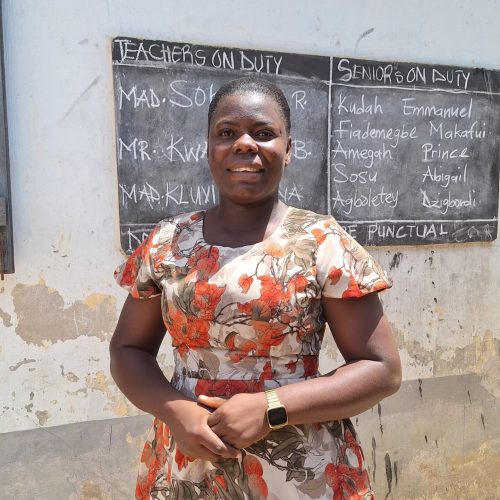
Matilda is a teacher in Agbozume who describes the impacts of the 2023 flood from both an educational and everyday-life perspective. In her statements, she focuses on the duration of the flooding, the destruction of houses and property, and the long-lasting consequences for livelihoods and schooling.
Before the flood
Before the flood, Matilda lived and worked normally in Agbozume as a teacher. School life functioned regularly, children attended classes without major obstacles, and families depended on farming, weaving, and local markets for their livelihoods. The area was not perceived as permanently flood-prone, and daily routines were stable.
During the flood
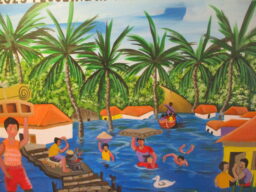
During the 2023 flood, large parts of Agbozume were inundated for months. Many people lost their homes and had to move in with relatives. Schools were heavily affected: compounds were flooded, access became dangerous, and teaching was disrupted. Children and teachers had to walk through water, use boots, and in some cases carry smaller children to school.
After the flood
Living conditions remained difficult. Matilda emphasizes that water is still present even years later, as the land has not fully drained. Livelihoods became harder because farmlands and markets were flooded, and many people lacked external support. School life slowly resumed, but under challenging conditions, with damaged infrastructure and ongoing health and safety concerns.
Thoughts about the future
Matilda expresses concern about the long-term effects of the flood, especially the persistent water and its impact on livelihoods and education. At the same time, her statements suggest a strong desire for stability, recovery, and better protection measures so that everyday life and schooling can continue safely in the future.
-
Name:
Matilda -
Role:
Teacher -
Age:
29 -
Town:
Agbozume -
Interview Date:
2025-03-10